PRP Therapy for Osteoarthritis
Coming Soon

PRP Therapy for Osteoarthritis

Benefits

PRP Therapy for Osteoarthritis A Natural Solution to Joint Pain and Inflammation

Living with osteoarthritis can make everyday tasks painful and frustrating. Whether it's your knees, hips, shoulders, or other joints, the stiffness and discomfort can take a toll on your mobility and quality of life. Platelet-Rich Plasma (PRP) Therapy offers a non-surgical, regenerative approach to managing osteoarthritis symptoms by using your body's own healing power.

In the context of osteoarthritis (OA), Platelet-Rich Plasma (PRP) is used as an "orthobiologic" treatment. Unlike traditional treatments that merely mask pain, PRP is designed to alter the biological environment of the joint to reduce inflammation and potentially slow down the "wear and tear" of cartilage

What it is

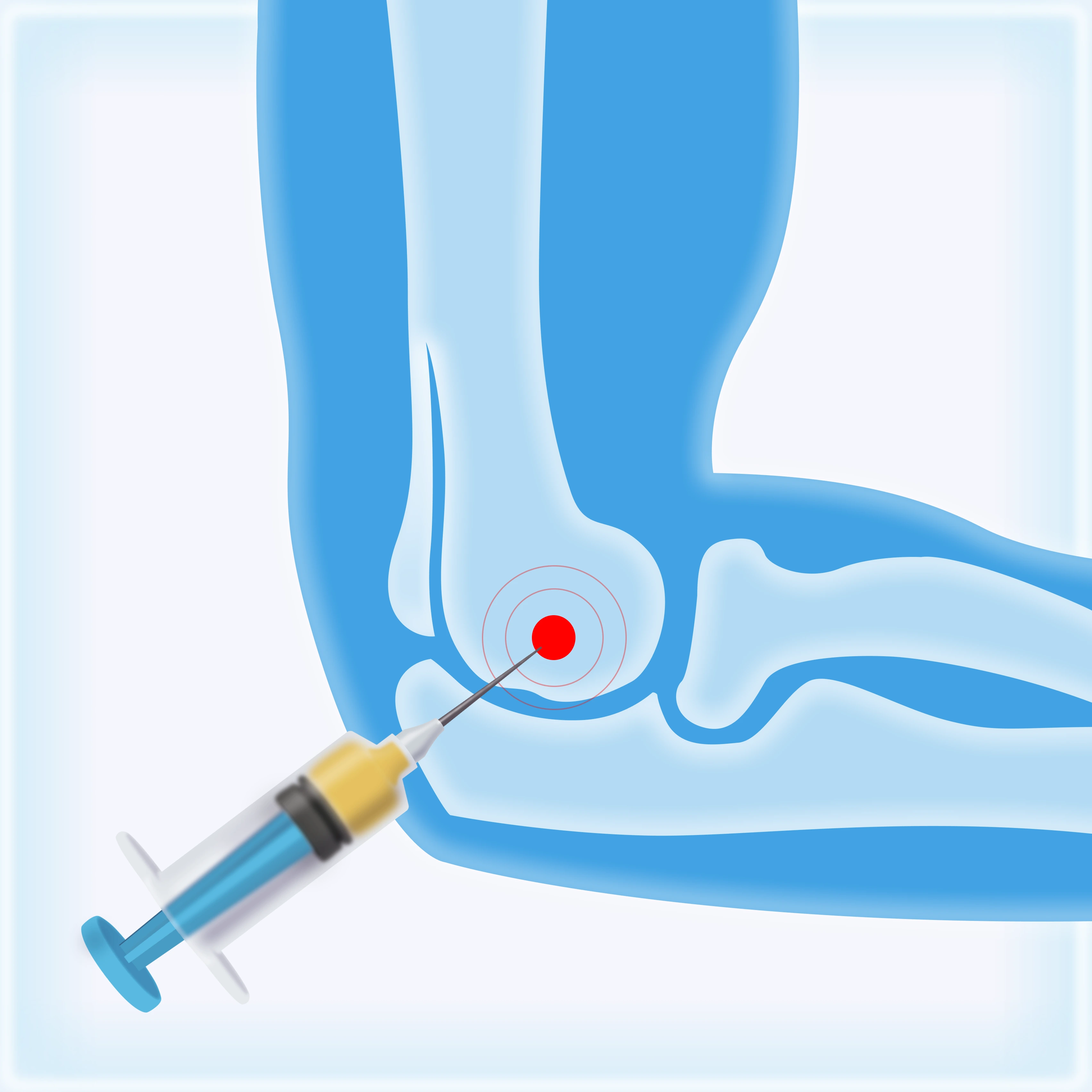
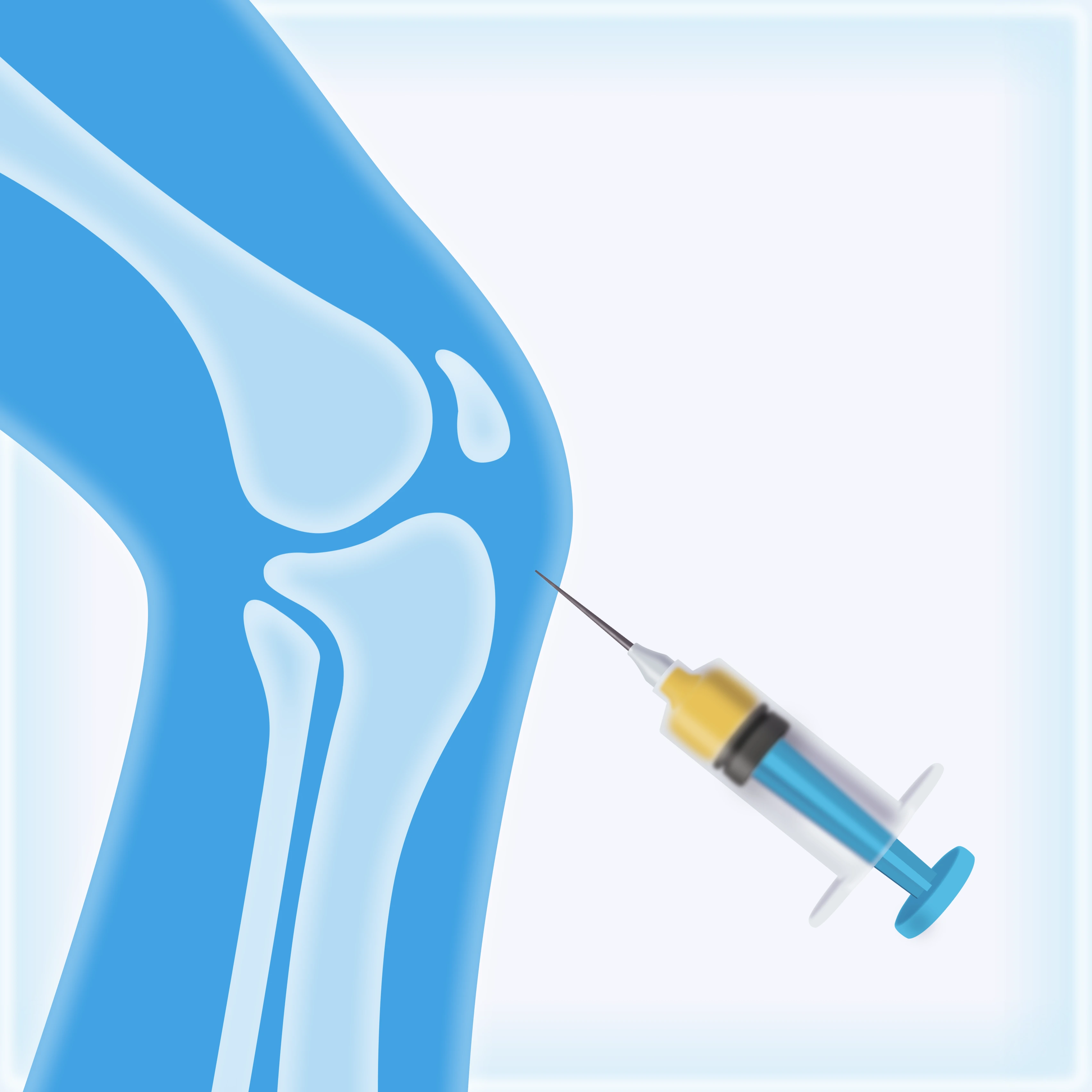
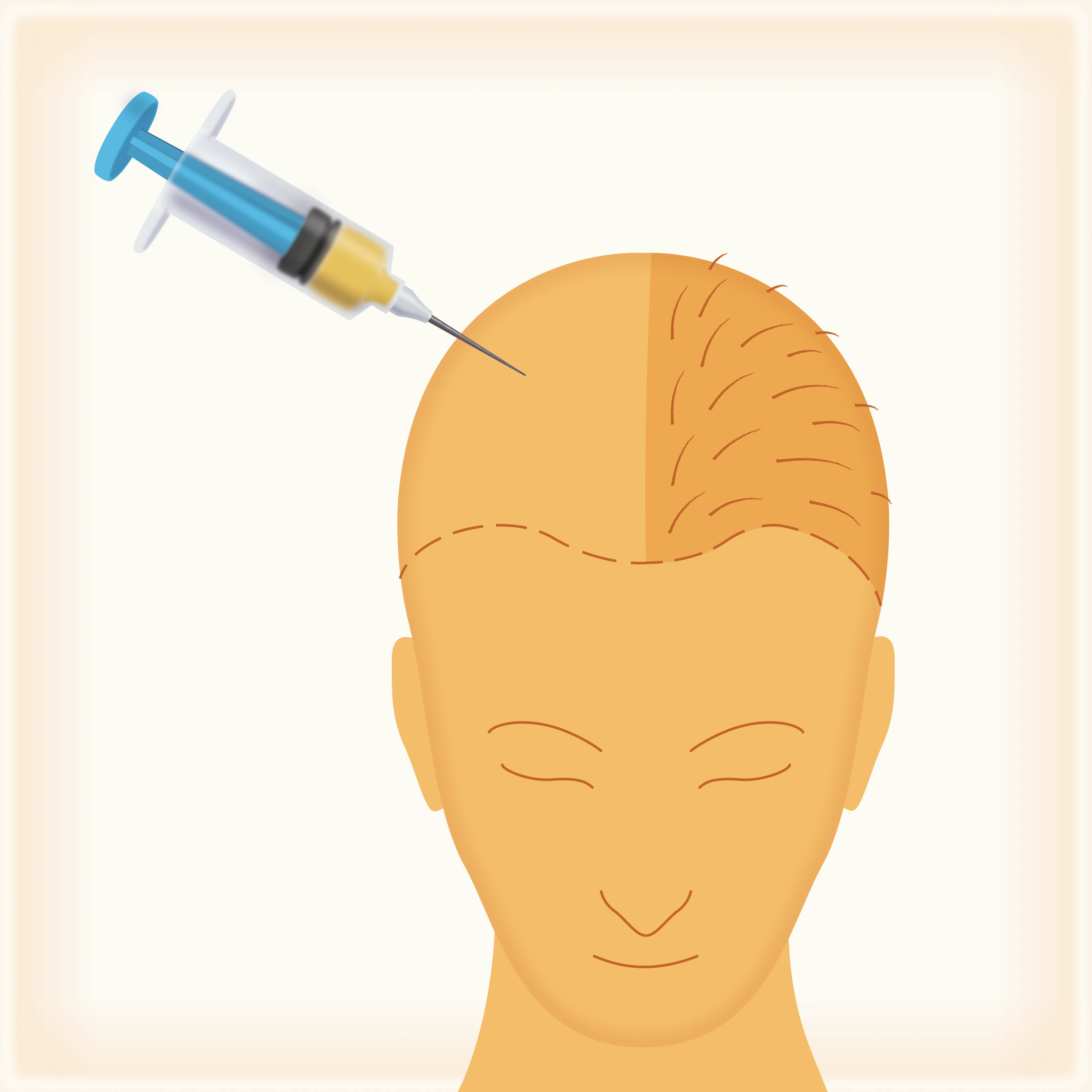
PRP (Platelet-Rich Plasma) Therapy involves drawing a small sample of your own blood and processing it to isolate plasma highly concentrated with platelets. This serum is then injected directly into the affected joint most commonly the knee, hip, or shoulder to stimulate healing at the source.

Once injected, these platelets release specific growth factors that suppress inflammatory cytokines, the chemicals responsible for joint pain and cartilage breakdown. By harnessing these natural proteins, PRP stimulates tissue repair, reduces inflammation, and may even help stabilize or regenerate cartilage over time—all without the need for surgery or synthetic medications.

Key Benefits
  • Superior Long-Term Relief: Studies often show that PRP provides more significant and longer-lasting pain relief (up to 12 months) compared to Hyaluronic Acid (gel shots) or Cortisone.
  • Improved Joint Lubrication: It helps stimulate the production of natural synovial fluid, reducing the "grinding" sensation in the joint.
  • Biological Repair: It creates a "pro-healing" environment that can help stabilize existing cartilage and strengthen the surrounding soft tissues.
  • Safe for Repeated Use: Unlike steroid injections, which can weaken tendons and cartilage if used too often, PRP does not damage joint tissues and can be repeated safely.

How PRP Helps with Osteoarthritis Reduces joint pain and stiffness Improves joint function and mobility Decreases inflammation naturally Slows progression of cartilage breakdown Delays or prevents surgery in some cases No risk of allergic reaction since it uses your own blood

Ideal for Osteoarthritis

Knees Hips Shoulders Elbows Hands and wrists Ankles

Who is it Good for
  • Best Results: Patients with Mild to Moderate (Grade 1-3) osteoarthritis. In these stages, there is still enough healthy tissue for the growth factors to act upon.
  • Active Individuals: People who want to maintain high activity levels (golf, hiking, tennis) and need functional improvement rather than just pain masking.
  • Older Adults: It is an excellent option for seniors who are not healthy enough for major surgery but need better mobility.
  • Less Effective For: Patients with "bone-on-bone" (Grade 4) arthritis. While it can still provide some anti-inflammatory relief, it cannot "regrow" a joint that has no cartilage left.

Side Effects & What to Expect

The most unique aspect of PRP for OA is the "healing flare"
  • Post-Injection Pain: You may feel an increase in pain and "fullness" in the joint for 2–7 days. This is actually a sign that the platelets are triggering the necessary inflammatory healing response.
  • Stiffness: Temporary swelling may make the joint feel tight for a few days.
  • No NSAIDs: You must avoid anti-inflammatory meds (Advil, Aleve) for about 2 weeks after the shot, as they can stop the PRP from working.
  • Gradual Results: Unlike a steroid shot which works in 48 hours, PRP takes 3–6 weeks to begin showing results, with maximum benefit appearing around the 3-month mark.
Why Choose PRP Over Traditional Treatments

Unlike cortisone injections or pain medications that only mask symptoms, PRP addresses the root of the problem—inflammation and tissue degeneration. It's a safe, minimally invasive option that encourages long-term healing and relief.

What to Expect After your consultation, the procedure typically takes about 45–60 minutes. There's little downtime, and most patients report noticeable improvement within a few weeks, with continued progress over several months as the healing process continues.

Take the Next Step Toward Relief If joint pain is holding you back, PRP Therapy could be the natural alternative you've been searching for. Book your consultation today and find out if this regenerative treatment is the right fit for your osteoarthritis symptoms.