PRP Therapy in Sports Medicine
Coming Soon

PRP Therapy in Sports Medicine

Benefits

PRP Therapy in Sports Medicine Accelerate Recovery and Reduce Inflammation Naturally n sports medicine, Platelet-Rich Plasma (PRP) is a regenerative injection therapy used to repair damaged joints, ligaments, tendons, and muscles. It has gained significant fame through its use by elite athletes, to accelerate recovery from 'career-altering' injuries without surgery.

In the world of sports and fitness, injuries can set you back—but they don't have to. PRP Therapy is a cutting-edge, non-surgical treatment used by top athletes to speed up healing, reduce pain, and return to peak performance faster. Whether you're recovering from a muscle tear, joint inflammation, or a chronic tendon injury, PRP offers a natural solution by harnessing your body's own regenerative power.

What it is

PRP stands for Platelet-Rich Plasma, a concentrated serum created from a small sample of your blood. This plasma is rich in growth factors and healing proteins that play a key role in tissue repair and regeneration.

The process begins by drawing the patient's own blood and spinning it in a centrifuge to concentrate the platelets. While normal blood contains about 6% platelets, PRP contains up to 94%. These platelets contain hundreds of proteins, known as growth factors, that act as the body's natural 'repair crew' by triggering cell division and collagen production exactly where the injury is located.

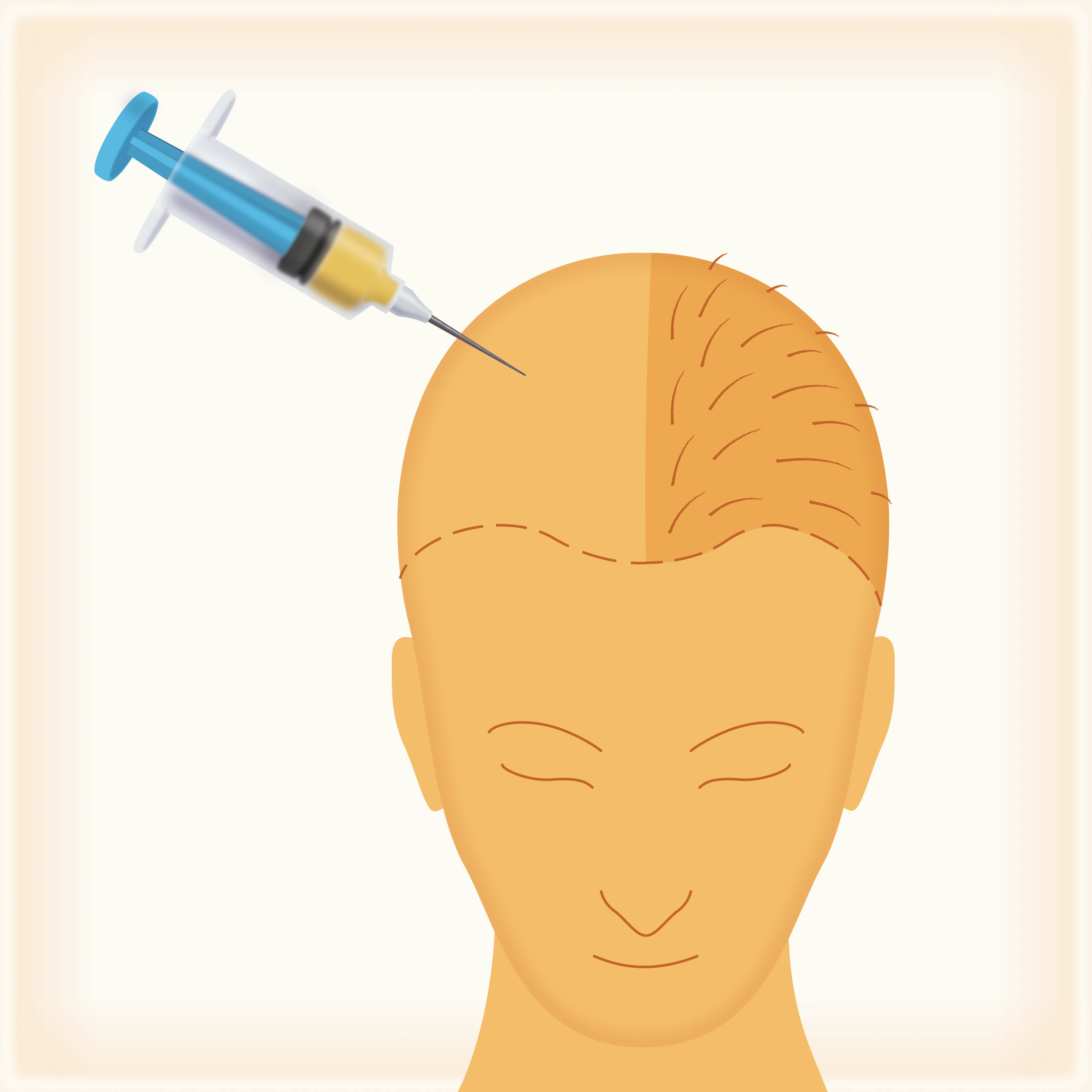
Once extracted, the PRP is injected directly into the injured area to stimulate healing at a cellular level—without surgery or synthetic medications.

Key Benefits
  • Accelerated Healing: Can potentially return athletes to their sport up to 50% faster than traditional physical therapy alone.Speeds up recovery from injuries
  • Tissue Regeneration: Unlike cortisone shots, which mask pain by suppressing inflammation, PRP addresses the root cause by stimulating the growth of new, healthy tissue.
  • Alternative to Surgery: Often used to treat partial tears (like in the rotator cuff or ACL) that might otherwise require invasive surgical repair.
  • Reduced Inflammation and Chronic pain: Helps manage chronic pain from conditions like osteoarthritis by modulating the inflammatory environment in the joint

Supports natural tissue repair and regeneration Minimally invasive with little to no downtime No risk of allergic reaction, since it's derived from your own blood

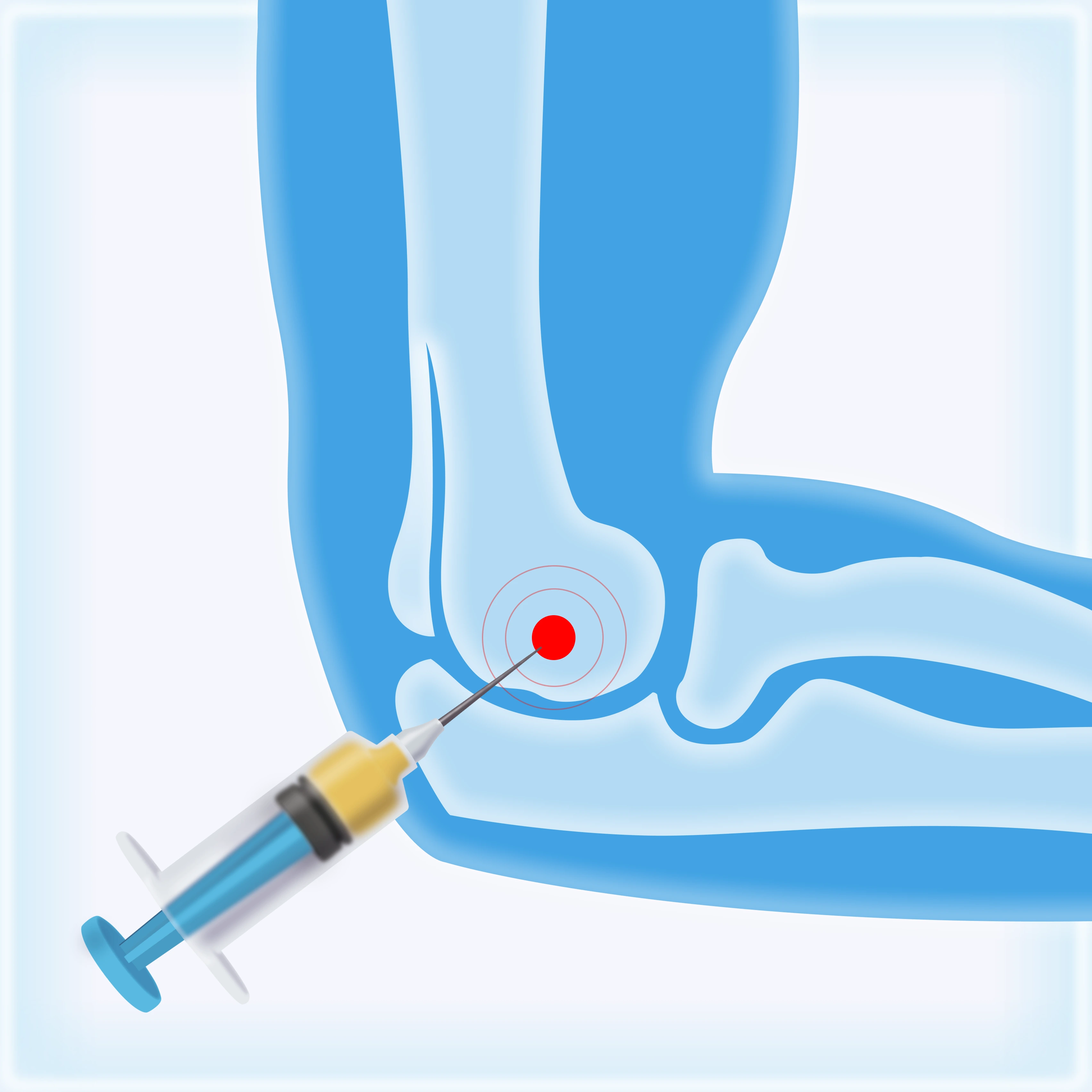
Common Sports Injuries Treated with PRP Tendonitis (e.g., tennis elbow, Achilles tendonitis) Ligament injuries (e.g., sprains, partial tears) Muscle strains or tears Joint pain or arthritis (especially in knees and shoulders) Plantar fasciitis Rotator cuff injuries

When is it Used

Sports physicians typically turn to PRP when traditional "RICE" (Rest, Ice, Compression, Elevation) and physical therapy have failed to resolve an injury.

  • Chronic Tendon Injuries: Most effective for "Tennis Elbow," Achilles tendinitis, and Jumper's knee (patellar tendon).
  • Acute Muscle & Ligament Strains: Used for pulled hamstrings, calf tears, and knee sprains.
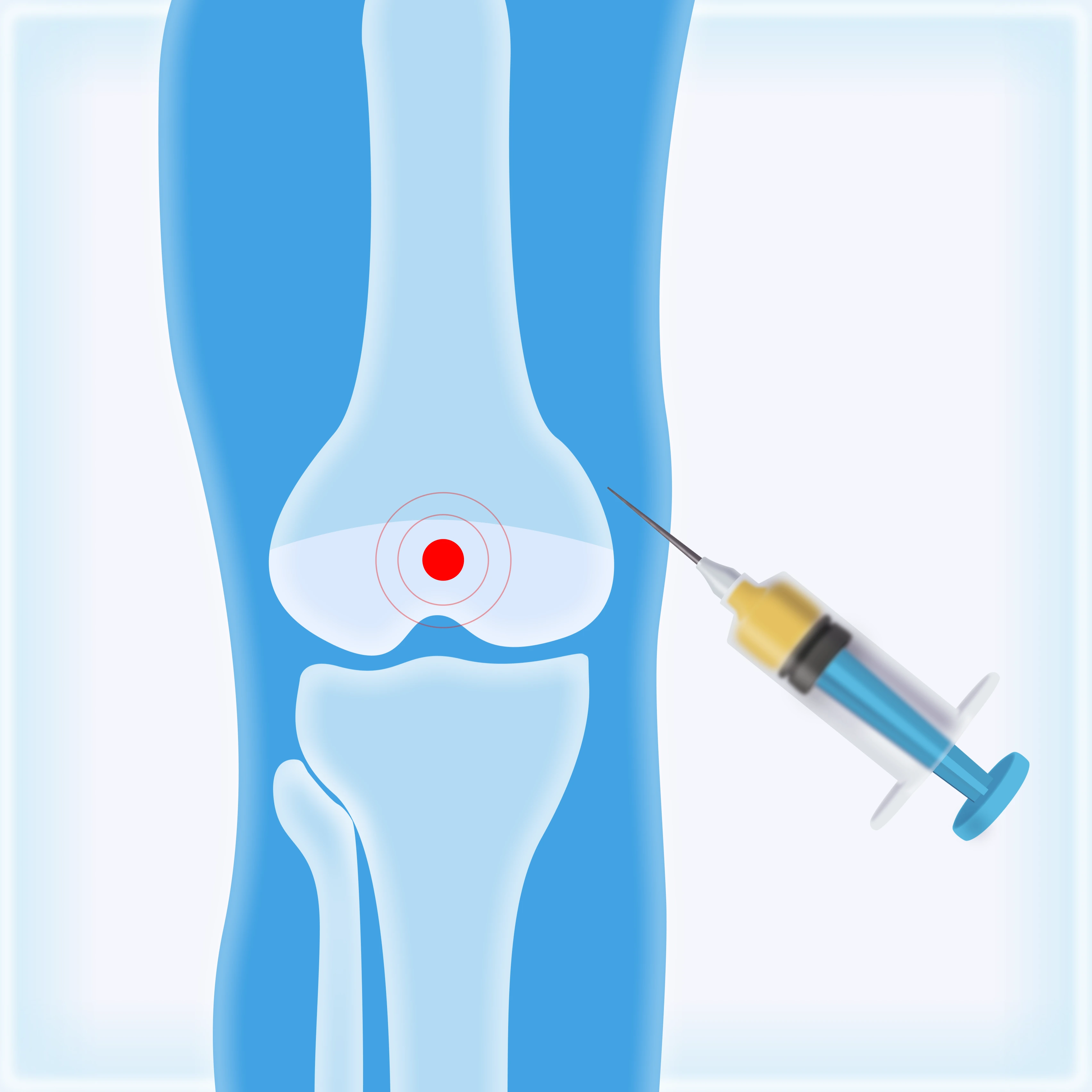
  • Joint Pain: Specifically for mild-to-moderate osteoarthritis of the knee, hip, or shoulder.
  • Post-Surgical Support: Sometimes "stitched" into tissues during surgery (like an ACL reconstruction) to help the graft integrate more quickly.
Who is it Good for
  • Ideal Candidates: Active individuals or "weekend warriors" with chronic soft tissue pain or a fresh sports injury that isn't a complete rupture.
  • The "Window of Opportunity": It is best for those whose injury has "stalled" in the healing process—PRP effectively "re-boots" the body's repair signal.
  • Who should avoid it: People with active infections, cancer, low platelet counts (thrombocytopenia), or those on blood-thinning medications. Chronic smokers may see significantly less benefit due to impaired blood flow

Trusted by Professional Athletes

Side Effects & Considerations

  • The "Flare-Up": It is common for pain to increase for the first 1–2 weeks. This is because PRP triggers a localized inflammatory response (the first stage of healing).
  • Temporary Soreness: Stiffness and swelling at the injection site are expected for 48–72 hours.
  • Activity Restriction: Patients are usually told to avoid anti-inflammatory drugs (NSAIDs like Ibuprofen) because they can "cancel out" the PRP's intent to create healing inflammation.
  • Rare Risks: As with any injection, there is a very small risk of infection, nerve damage, or localized bruising.

PRP Therapy is widely used by elite athletes across the globe for its ability to shorten recovery time and enhance performance longevity now it's available for anyone seeking a natural path to recovery.

Is PRP Right for You

If you're an athlete or active individual dealing with nagging pain or a sports-related injury, PRP Therapy may help you heal faster and more effectively.